



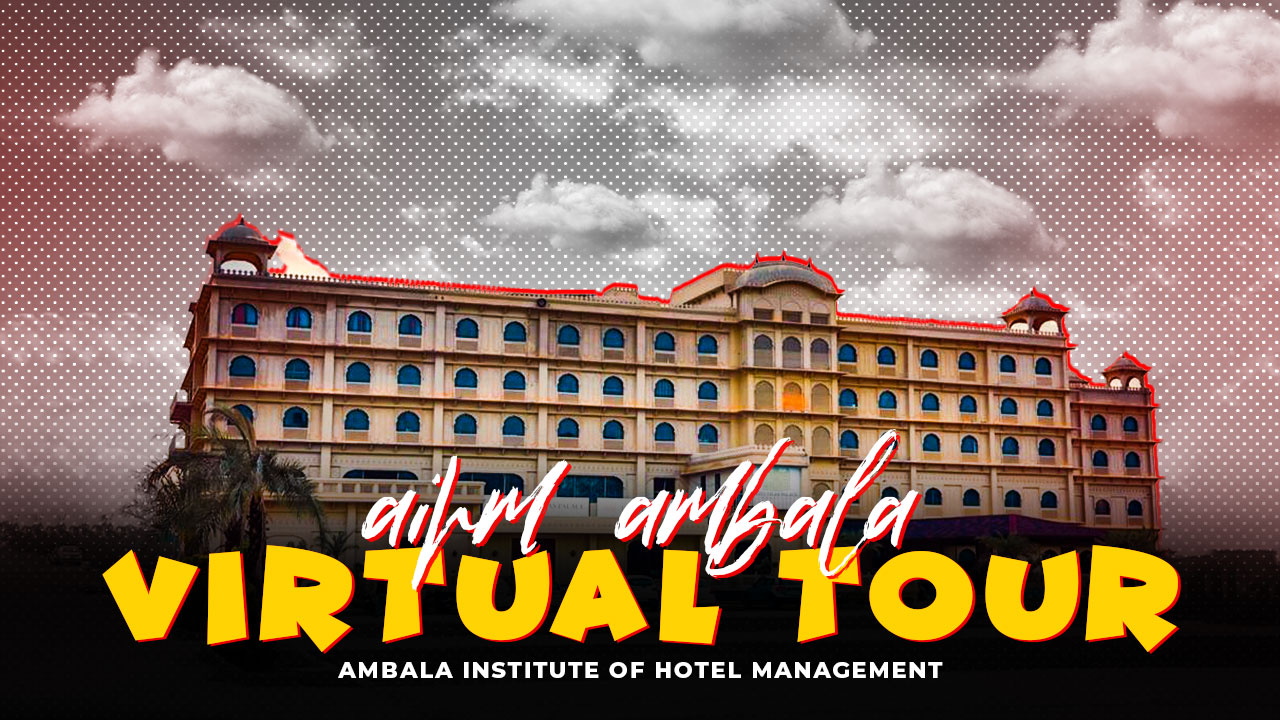
New trends at the beginning of the year will influence how hotels run and engage with visitors in the future. These trends are a reflection of the wider world, which includes evolving consumer needs and traveler expectations, new technology, and shifts in the global travel scene. Staying ahead of the curve is crucial for hoteliers, academics, and industry professionals as we enter 2025, as hotel management trends reflect these dynamic developments. Here’s a blog-style list of the Top 10 Hotel Management Trends to Watch in 2025 — perfect for hospitality professionals, students, or hoteliers keeping an eye on the future:
Top 10 Hotel Management Trends to Watch in 2025
1. Hyper-Personalized Guest Experiences
It’s an expectation. Hotels are using data analytics, artificial intelligence, and customer behavior patterns to offer unique and tailored experiences to every guest. From customized welcome messages to curated local activity recommendations, personalization enhances guest satisfaction and builds long-term loyalty. Guests want to feel recognized, not just accommodated.
2. Smart Rooms and IoT Integration
Smart technology has transformed hotel rooms into connected spaces. Internet of Things (IoT) devices allow guests to control lighting, room temperature, curtains, entertainment systems, and even housekeeping preferences via voice commands or mobile apps. These smart features not only boost guest convenience but also improve energy efficiency and operational control for hotel staff.
3. Contactless Services and Digital Interactions
Contactless technology gained popularity during the pandemic, but it’s here to stay. Guests now expect mobile check-in/check-out, digital room keys, and QR-code menus as standard offerings. Not only do these features streamline the guest experience, but they also reduce wait times and enhance hygiene and safety standards — all crucial factors in a post-pandemic world.
4. AI-Powered Chatbots and Virtual Concierge Services
Artificial intelligence is making hotel operations more efficient by handling common guest queries, booking requests, and customer service through AI-driven chatbots. These 24/7 virtual assistants can respond in multiple languages, understand guest preferences, and help staff focus on more complex tasks, ensuring a seamless and responsive service experience.
5. Sustainability and Eco-Friendly Practices
Travelers are more conscious than ever about environmental impact. Hotels invest in solar panels, waste reduction programs, water-saving fixtures, and biodegradable amenities. Green certifications and eco-labels are also influencing booking decisions.
6. Rise of “Bleisure” Travel
Blending business and leisure — known as “leisure” — is a growing segment, especially among remote workers and digital nomads. Hotels are adapting by offering co-working spaces, high-speed internet, flexible check-in options, and work-friendly amenities like meeting rooms and business lounges. Creating the right environment for work-life balance can lead to extended stays and increased bookings.
7. Wellness-Centric Offerings
The modern traveler is increasingly health-conscious. Hotels are responding by incorporating wellness-focused services such as spa treatments, yoga classes, meditation rooms, in-room fitness equipment, and healthy menu options. Some properties are even offering wellness packages that include sleep therapy and detox programs — a move that appeals to both luxury and health-focused guests.
8. Data-Driven Decision Making
Big data is transforming hotel management strategies. By analyzing booking patterns, guest feedback, and revenue trends, hoteliers can make informed decisions regarding pricing, staffing, marketing, and guest services. Predictive analytics also help in anticipating demand, maximizing occupancy, and improving customer retention.
9. Augmented Reality (AR) in Guest Experience and Marketing
AR is adding a new dimension to hotel marketing and on-property engagement. Hotels are using AR for virtual tours, in-room entertainment, interactive hotel maps, and local attraction guides. This not only enhances the guest experience but also increases pre-booking engagement and trust among potential customers.
10. Focus on Diversity, Equity, and Inclusion (DEI)
Hospitality is becoming more socially aware. In 2025, hotel management is prioritizing inclusive hiring practices, gender-balanced leadership, accessible design for guests with disabilities, and diverse representation in marketing campaigns. Creating an inclusive and welcoming environment is essential for brand reputation and global reach.
Conclusion
Hotel management is adjusting as 2025 progresses to satisfy the constantly evolving demands of both the environment and visitors. At the vanguard of this change are wellness, sustainability, personalization, and technology integration. Hotels may improve visitor happiness and maintain their place in a cutthroat market by adopting these trends. Hotels can adjust to shifting industry demands and guest expectations with the help of Ihm Ambala‘s range of content management and distribution solutions.